


.png)

Estimated Reading Time: 7–8 minutes
CNC milling machines are the backbone of modern manufacturing. Whether producing high-precision aerospace parts, automotive components, or custom prototypes, these machines ensure speed, accuracy, and repeatability. To maximize performance and lifespan, it’s important to understand the vital parts of a CNC milling machine and how they work together.
At Lead CNC, we specialize in providing advanced CNC machining solutions and reliable milling services for global customers. Below, we’ll break down the essential components of a CNC milling machine, their functions, and why they matter in precision machining.
A CNC (Computer Numerical Control) milling machine removes material from a workpiece using a rotating cutting tool. Unlike traditional manual milling machines, CNC milling operates through CAD/CAM programming and G-code, allowing for precise, automated machining.
Compared with lathes (where the workpiece rotates), CNC milling machines rotate the cutting tool and move the workpiece across multiple axes, enabling the production of complex geometries and fine details.
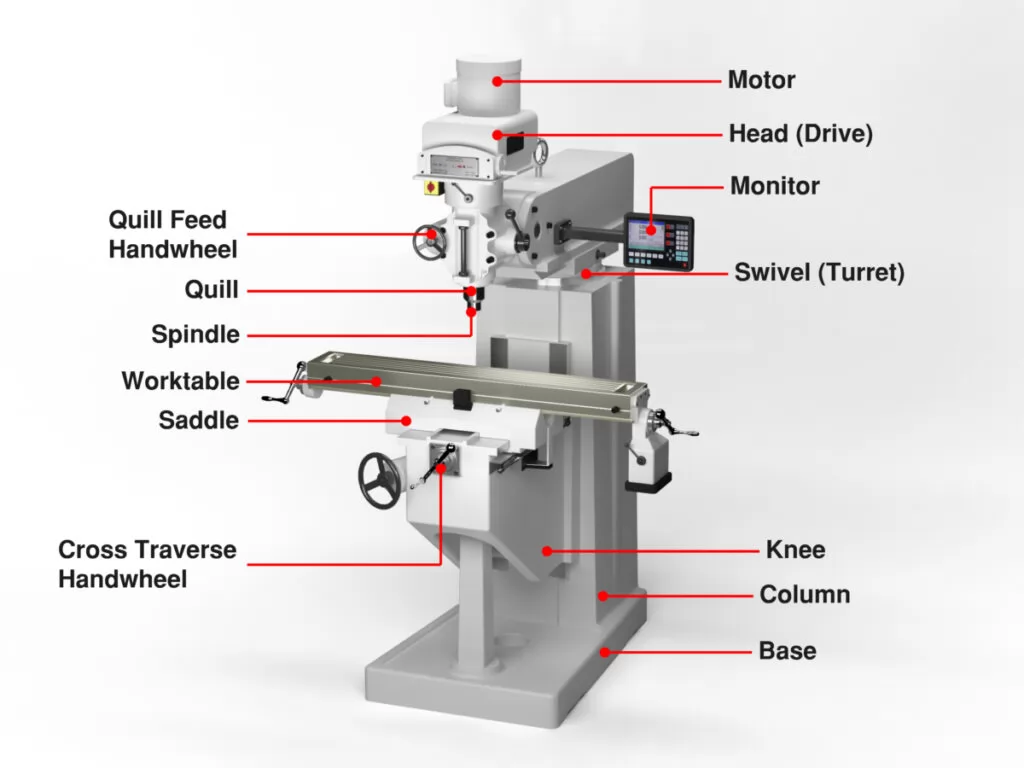
The column and base form the foundation of the machine.
A rigid base and column ensure better surface finish and dimensional accuracy even during heavy-duty machining.
The knee is attached to the column via a dovetail and can move vertically.
This part ensures precise adjustment of the workpiece in relation to the cutting tool.
The power feed mechanism controls the movement of the work table in three directions:
Feed rates are programmable via G-code, ensuring consistent cutting speed for different materials.
The work table is where most machining operations take place.
A stable table ensures secure clamping and reduces errors during high-speed milling.
The spindle is the heart of the milling machine.
Spindles allow for diverse operations such as:
CNC milling machines operate on three primary axes:
Advanced machines may include 4-axis or 5-axis configurations, allowing for machining of complex parts without repositioning.
The CNC control panel is the “brain” of the machine.
Modern CNC milling machines often feature touchscreen interfaces and connectivity for smart factory integration.
Machining generates heat and friction. A reliable coolant system:
Lubrication systems also reduce wear on moving parts, ensuring long-term reliability.
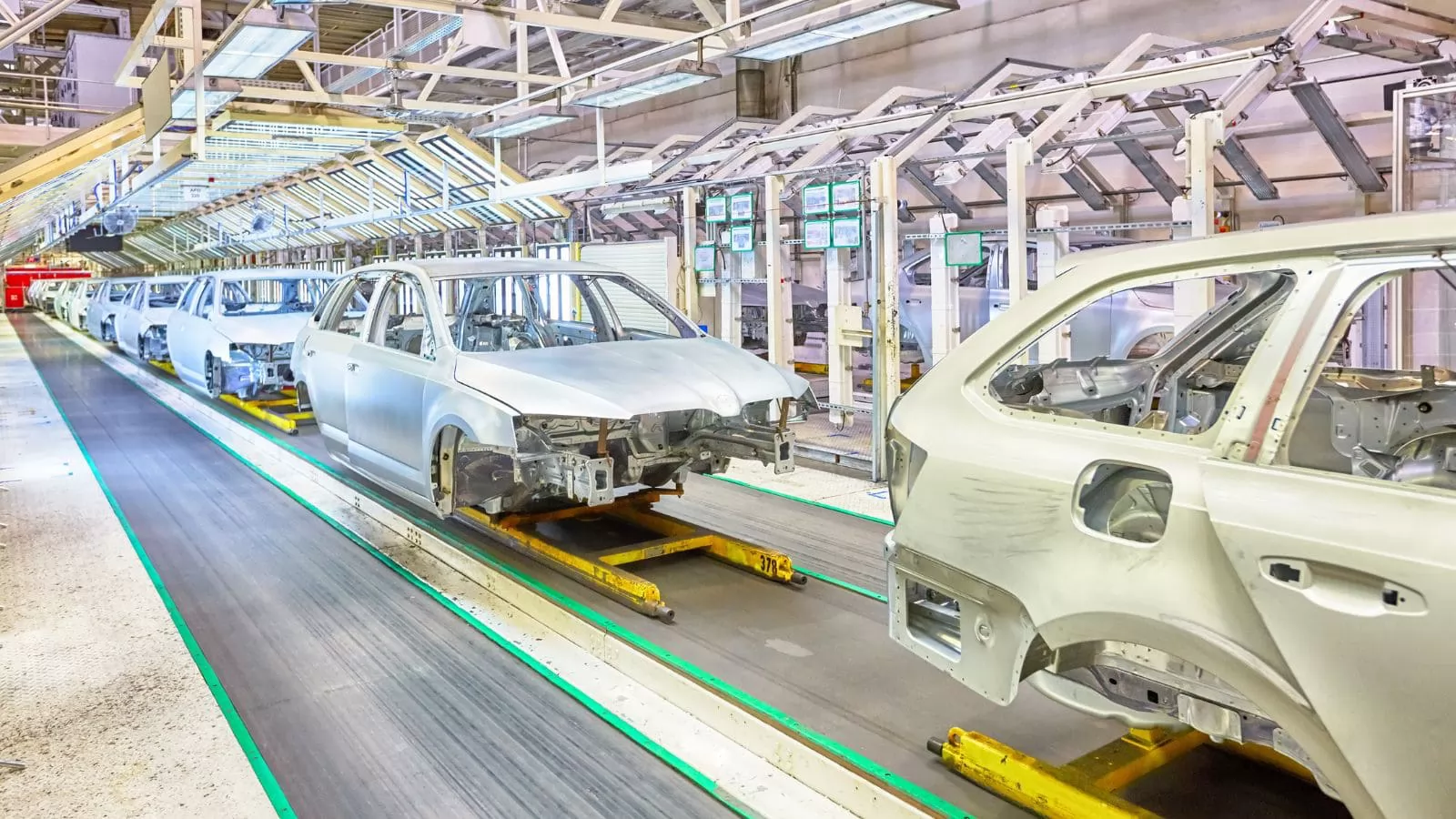
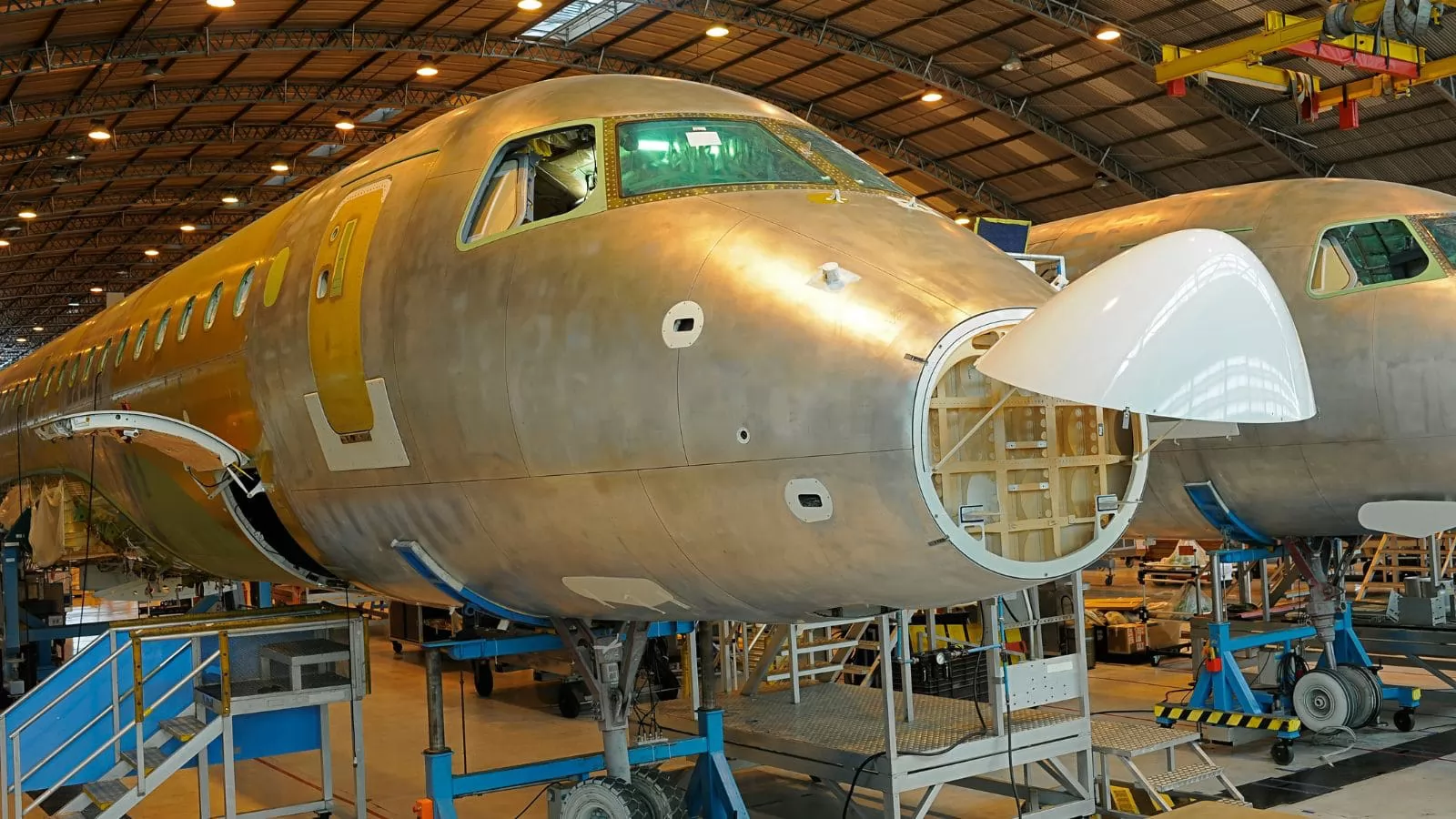
CNC milling machines are widely used in:
Their precision and flexibility make CNC milling essential for industries that demand tight tolerances and repeatable accuracy.
At LEADCNC, we provide:
Whether you need small batches or large-scale production, LEADCNC ensures your parts are manufactured with accuracy and reliability.
Contact us today to learn more about our CNC machining capabilities or request a free quote.

Discover the top 10 CNC turn-mill center manufacturers in 2026, featuring DMG Mori, Mazak, and more. Explore advanced automation, precision, and sustainability trends, with insights from LEADCNC, a leader in aluminum door and window production lines.
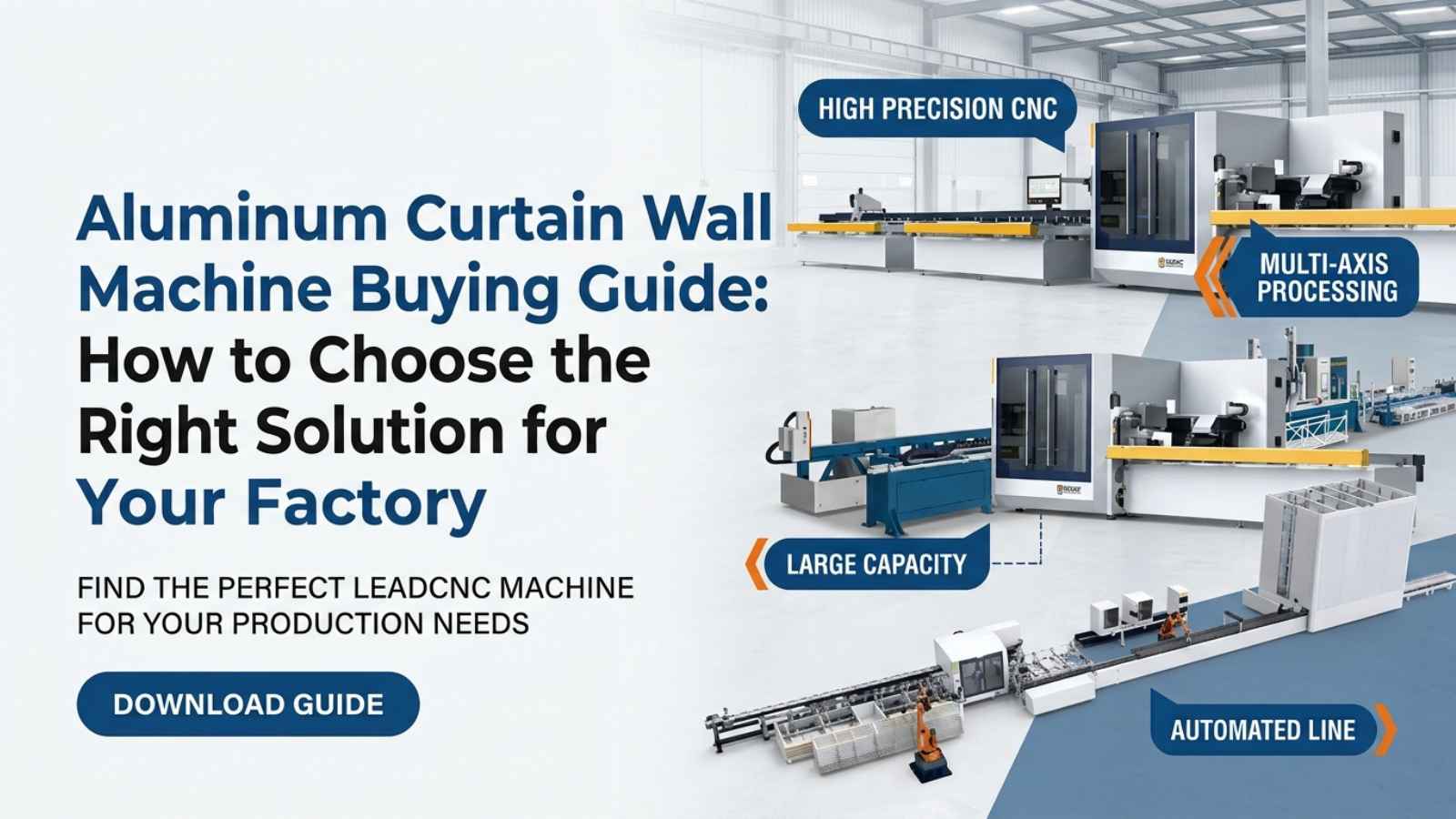
Looking for an aluminum curtain wall machine? Learn how to choose the right CNC curtain wall equipment, production line, and automation solution for your factory.

This guide will examine the shifting mechanics of the industry and detail the precise machinery configurations required to scale your commercial throughput.
Discover the top 10 CNC turning center lathe manufacturers in 2026, featuring detailed profiles, key specifications, and market insights for precision manufacturing.











.png)